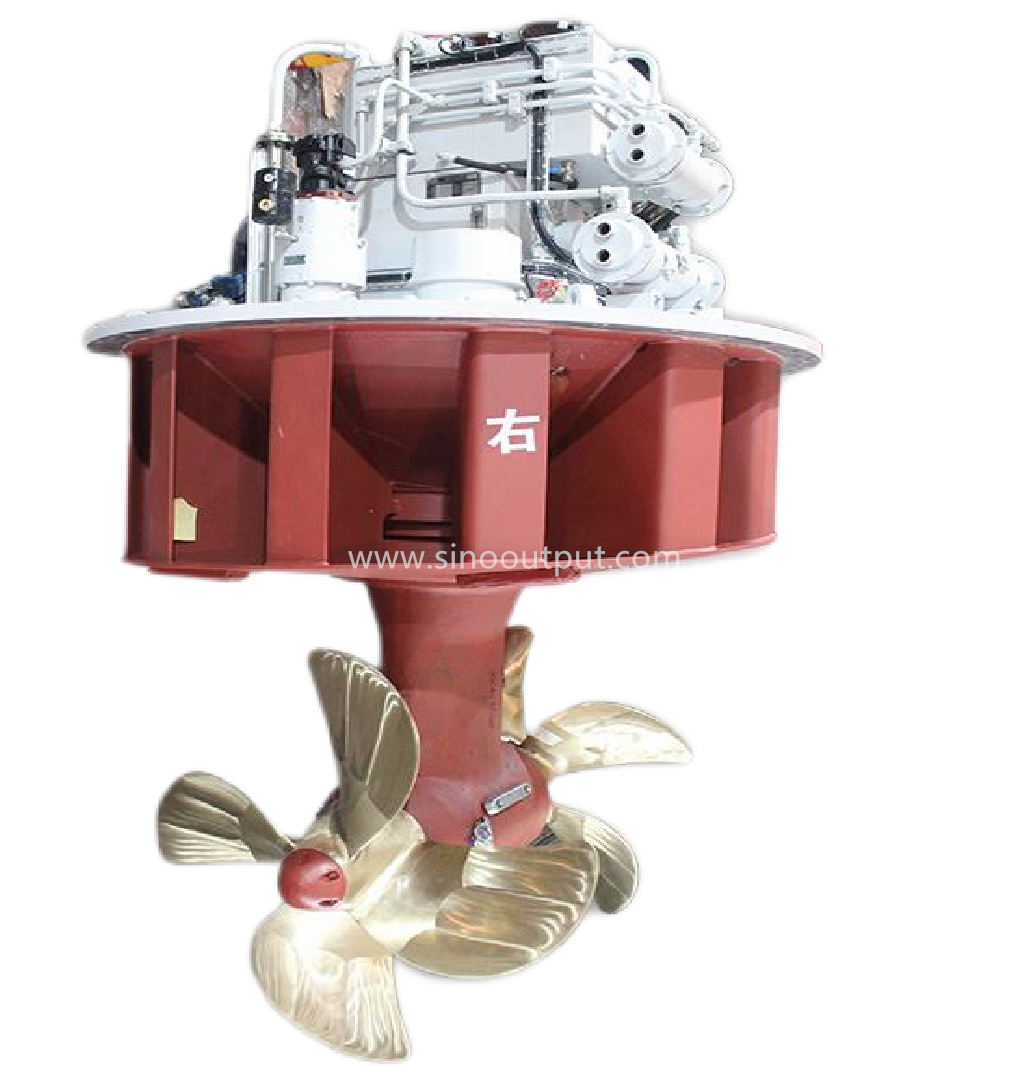
Precautions when operating side thrustersMake sure the motor is started before the thrusters are operated and the hydraulic lines are open.
Never operate the thrusters beyond the rated load, as this may cause the motor to trip.
Gradually increase the capacity and change the pitch. Avoid sudden changes in BT movement.
Side thrusters are considered "load" start devices, i.e. they can only be operated when submerged in water.
Before operating the thrusters, check if there are small boats, swimmers, tugboats near the thruster tunnel.
Never touch any moving parts or running motors
If more than one panel is installed, make sure the thrusters are operated from only one panel at a time
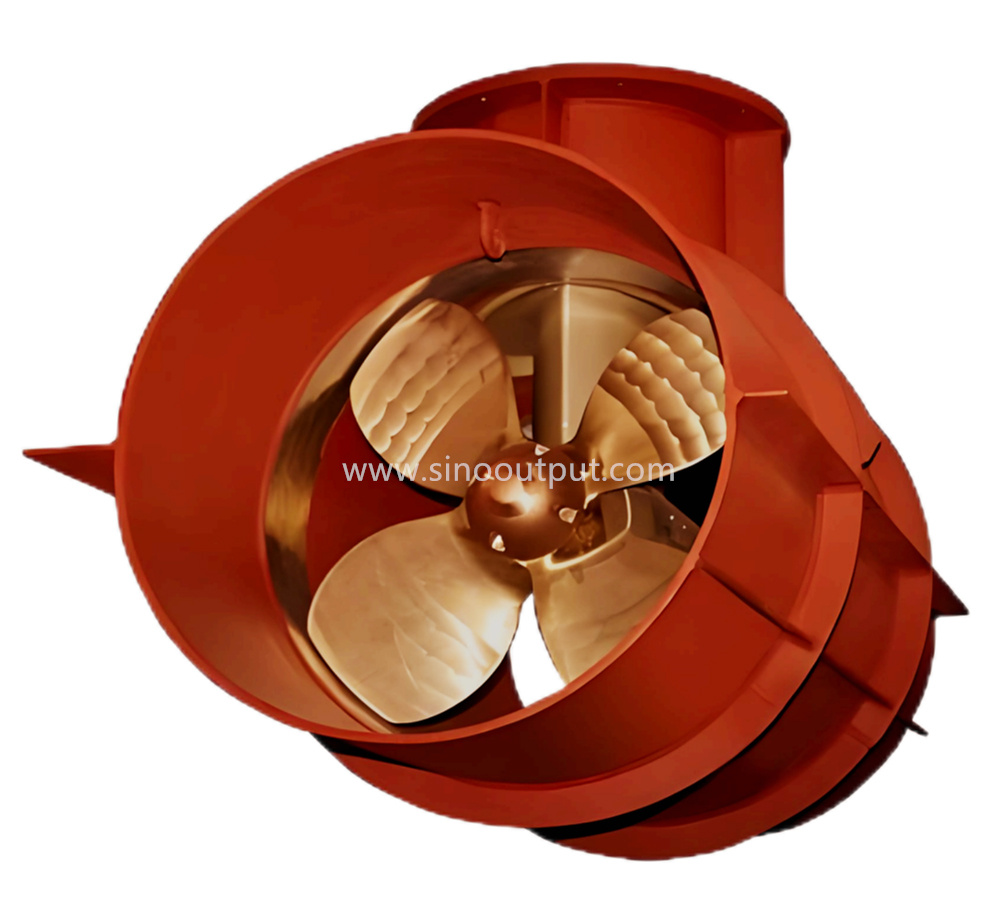 Maintenance of bow thrusters
1) The insulation must be checked regularly and kept dry. This is done because bow thrusters are not used frequently and therefore have the potential to be damaged by moisture. In addition, since bow side thrusters are frequently idle, the insulation resistance may decrease, especially in cold areas.
2) Check the working condition of the space heater to keep the insulation dry.
3) The motor bearings and connecting rods should be lubricated monthly.
4) Check the condition of the hydraulic oil for water monthly and send a sample to the laboratory for further inspection.
5) The thickness of the contactor should be checked frequently.
6) The bow thruster chamber should be checked for water leaks, which is a sign of seal leakage.
7) The elastic coupling between the motor and the thruster should also be checked.
8) Check all cable connections for cleanliness and tightness
9) Clean the motor grid with a vacuum cleaner or a blower to remove the carbon grid
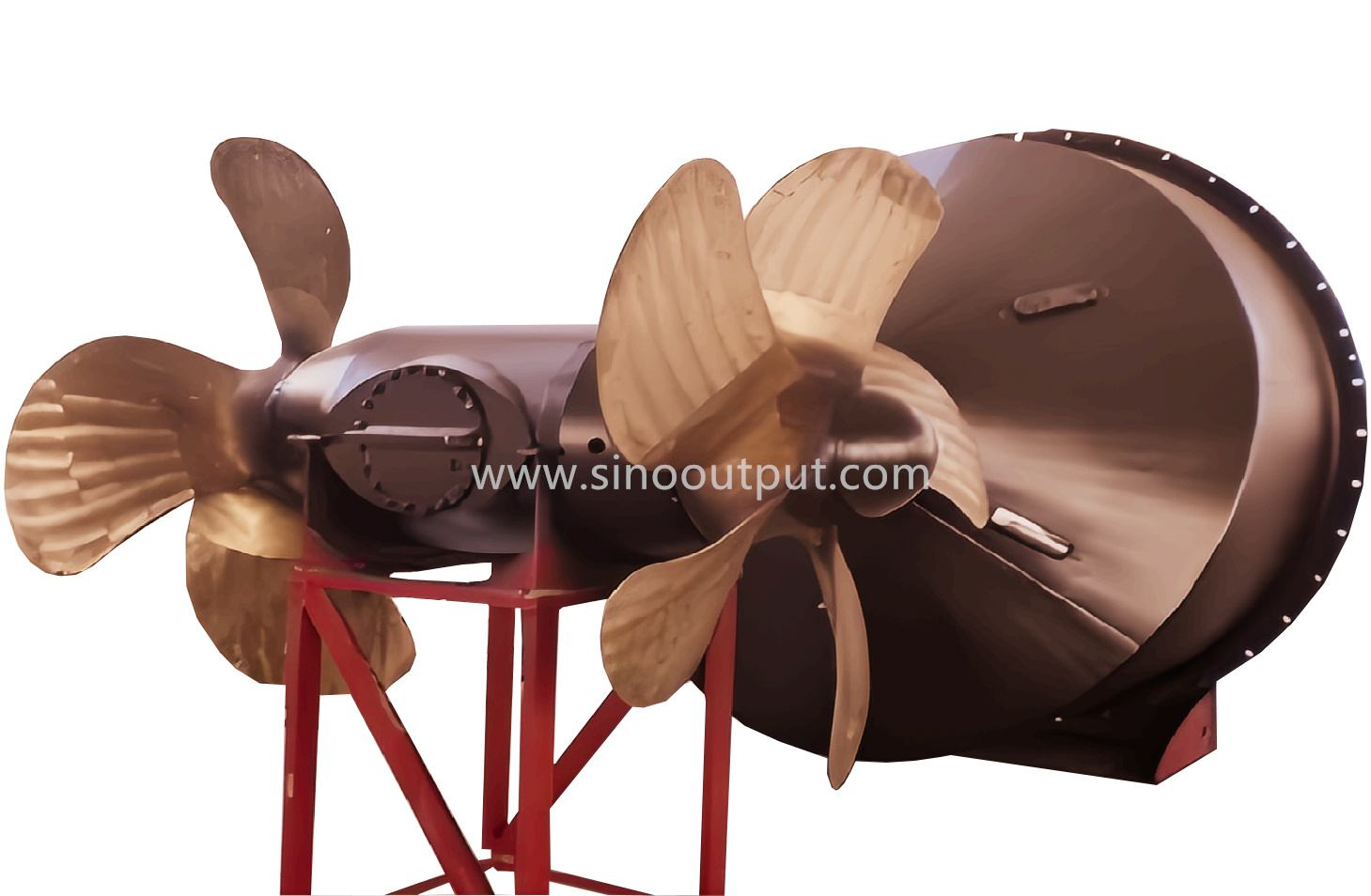 Major maintenance of bow thrusters
Overhaul and maintenance of bow and stern thrusters is done during dry docking, when the hull is out of water and the thruster blades and tunnels are easily accessible.
The following maintenance is usually performed in dry dock:
Replacement of O' rings and seals
Disassembly of pinion shaft
Inspection and maintenance/replacement of gear sets
Replacement of bearings
Repair, cleaning and replacement of blades
Inspection of hub and repair as required
Inspection and overhaul of oil distribution box (used to operate propeller blades)
Advantages of using thrusters1) Better maneuverability of the vessel at low speed.
2) Increased safety of the vessel when berthing in bad weather.
3) Saving of money due to reduced port stay time and use of tugboats.
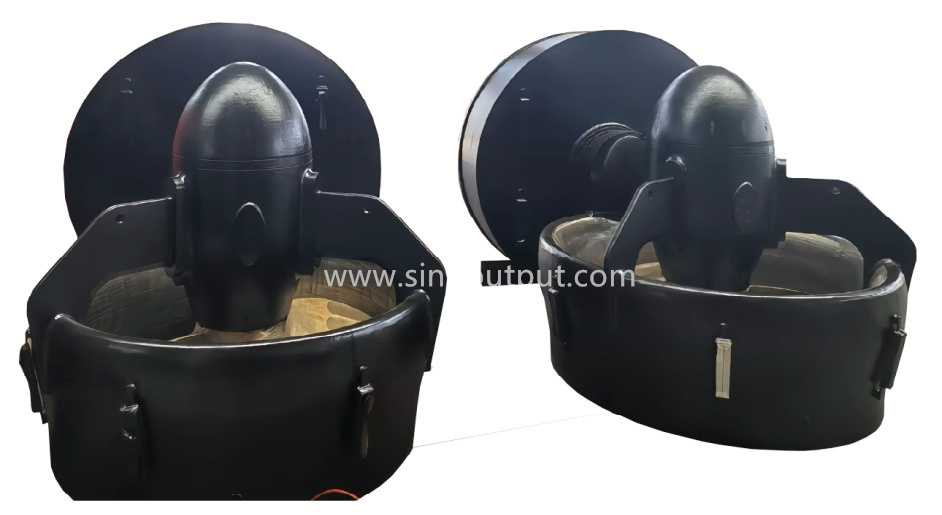 Disadvantages of using thrusters
1) Huge induction motors are required, requiring large currents and loads, thus requiring large generator capacity.
2) High initial investment
3) High maintenance and repair costs when damage occurs.
The thrust generated by the motor to move the vessel depends on various parameters such as hull design, power supply, tunnel design, use of grid, draft and load of the vessel, etc.
Weather conditions and water conditions also play a vital role in BT performance.