A marine exhaust system does far more than remove engine smoke.
It directly affects engine efficiency, fuel consumption, onboard safety, noise reduction, and even the lifespan of your vessel’s machinery.
When an exhaust system is poorly designed or improperly maintained, problems quickly appear:
Engine overheating
Power loss
Excessive back pressure
Turbocharger damage
Increased fuel consumption
Dangerous exhaust gas leakage
For commercial vessels, fishing boats, tugboats, yachts, and offshore vessels, understanding how marine exhaust systems work helps reduce operational risks and maintenance costs.
At SINOOUTPUT, we support shipowners and shipyards with marine engines, exhaust components, silencers, piping systems, insulation solutions, and technical matching services for complete vessel projects.
A marine exhaust system is the complete pipeline and component arrangement that safely removes combustion gases from a ship’s engine.
Its main functions include:
Discharging exhaust gases safely
Reducing engine noise
Controlling exhaust temperature
Protecting engine performance
Preventing seawater backflow
Supporting emission compliance
Unlike land-based systems, marine exhaust systems must survive:
Saltwater corrosion
Continuous vibration
High engine loads
Limited engine room space
Wet operating conditions
The process begins after fuel combustion inside the engine cylinders.
Hot exhaust gases travel through several components before leaving the vessel.
Engine → Turbocharger → Exhaust Manifold → Silencer → Exhaust Pipe → Outlet
Each section has a specific purpose.
The exhaust manifold collects hot gases from each engine cylinder and directs them into a single exhaust pathway.
Maintain stable exhaust flow
Improve turbocharger efficiency
Handle high temperatures
Reduce pressure fluctuations
Marine exhaust manifolds are typically made from:
Cast iron
Stainless steel
Heat-resistant alloy materials
Many marine diesel engines use turbochargers to improve combustion efficiency and engine power.
The turbocharger uses exhaust gas energy to compress incoming air into the engine.
Benefits include:
Higher engine output
Better fuel efficiency
Improved combustion
Reduced smoke emissions
Poor exhaust flow or excessive back pressure can seriously damage the turbocharger.
Image 1:
Cutaway diagram of a marine diesel engine exhaust system showing turbocharger, manifold, silencer, and exhaust piping layout.
Marine silencers reduce engine noise before exhaust gases leave the vessel.
This is especially important for:
Passenger vessels
Yachts
Fishing boats
Harbor operation vessels
| Type | Features |
|---|---|
| Reactive silencer | Good for low-frequency noise |
| Absorptive silencer | Good for high-frequency noise |
| Combination silencer | Balanced noise reduction |
A properly selected silencer improves onboard comfort while maintaining acceptable exhaust flow.
The piping transports exhaust gases safely out of the vessel.
Marine exhaust pipes must tolerate:
High temperatures
Corrosion
Engine vibration
Thermal expansion
Stainless steel
Carbon steel with insulation
High-temperature alloy steel
Improper pipe sizing may cause:
Excessive back pressure
Reduced engine efficiency
Overheating
Turbocharger failure
Marine exhaust pipes can become extremely hot during operation.
Insulation protects:
Crew safety
Engine room temperature
Nearby equipment
Fuel efficiency
Common insulation materials include:
Glass fiber
Ceramic insulation
Rock wool insulation blankets
Smaller vessels often use wet exhaust systems.
In these systems, seawater mixes with exhaust gases to reduce temperature.
Lower exhaust temperature
Reduced engine room heat
Smaller piping requirements
Lower noise levels
Fishing boats
Small commercial vessels
Yachts
Patrol boats
However, poor installation may allow seawater to flow back into the engine.
This can cause severe engine damage.
| Feature | Dry Exhaust | Wet Exhaust |
|---|---|---|
| Exhaust temperature | Very high | Lower |
| Noise level | Higher | Lower |
| Common vessel size | Large vessels | Small vessels |
| Maintenance complexity | Moderate | Moderate |
| Risk of seawater intrusion | Low | Higher |
Large commercial ships usually use dry exhaust systems, while smaller boats often use wet exhaust arrangements.
Back pressure is the resistance exhaust gases encounter while leaving the engine.
Excessive back pressure reduces engine performance.
Reduced engine power
Black smoke
Higher fuel consumption
Increased exhaust temperature
Turbocharger overheating
Undersized exhaust pipes
Carbon buildup
Damaged silencers
Excessive pipe bends
Corrosion blockage
Leaks can expose crews to dangerous gases and increase engine room temperatures.
Strong exhaust smell
Black soot near joints
Unusual engine room heat
Saltwater and condensation continuously attack exhaust components.
Pipe joints
Welded connections
Water injection points
Silencer interiors
Regular inspection is essential.
Marine exhaust systems experience constant heating and cooling cycles.
Without proper expansion compensation, cracks may develop.
Flexible joints and expansion bellows help reduce this risk.
Image 2:
Marine engineer inspecting insulated exhaust piping inside an engine room with visible flexible joints and thermal insulation covers.
A well-designed marine exhaust system helps:
Improve fuel efficiency
Protect turbochargers
Reduce maintenance frequency
Lower engine room temperatures
Extend engine lifespan
Improve onboard comfort
Even small improvements in exhaust efficiency can reduce long-term fuel and maintenance expenses.
Several factors must be considered:
Engine power
Exhaust gas volume
Exhaust temperature
Turbocharger specifications
Engine room layout
Vessel type
Operating environment
Noise requirements
IMO compliance
Emission standards
Fire safety requirements
Classification society rules
At SINOOUTPUT, our engineering team helps customers match exhaust systems with marine engines, vessel structures, and operational requirements to avoid installation issues and long-term maintenance problems.
A marine exhaust system safely removes engine combustion gases while controlling temperature, reducing noise, and protecting engine performance.
Wet exhaust systems use seawater to cool exhaust gases, while dry systems discharge hot gases without water mixing.
Excessive back pressure reduces engine efficiency, increases fuel consumption, and may damage turbochargers or engine components.
Regular inspection schedules depend on vessel operation and engine hours, but corrosion, leaks, insulation condition, and pipe integrity should be checked frequently.
Small fishing boats, yachts, patrol boats, and smaller commercial vessels commonly use wet exhaust systems.
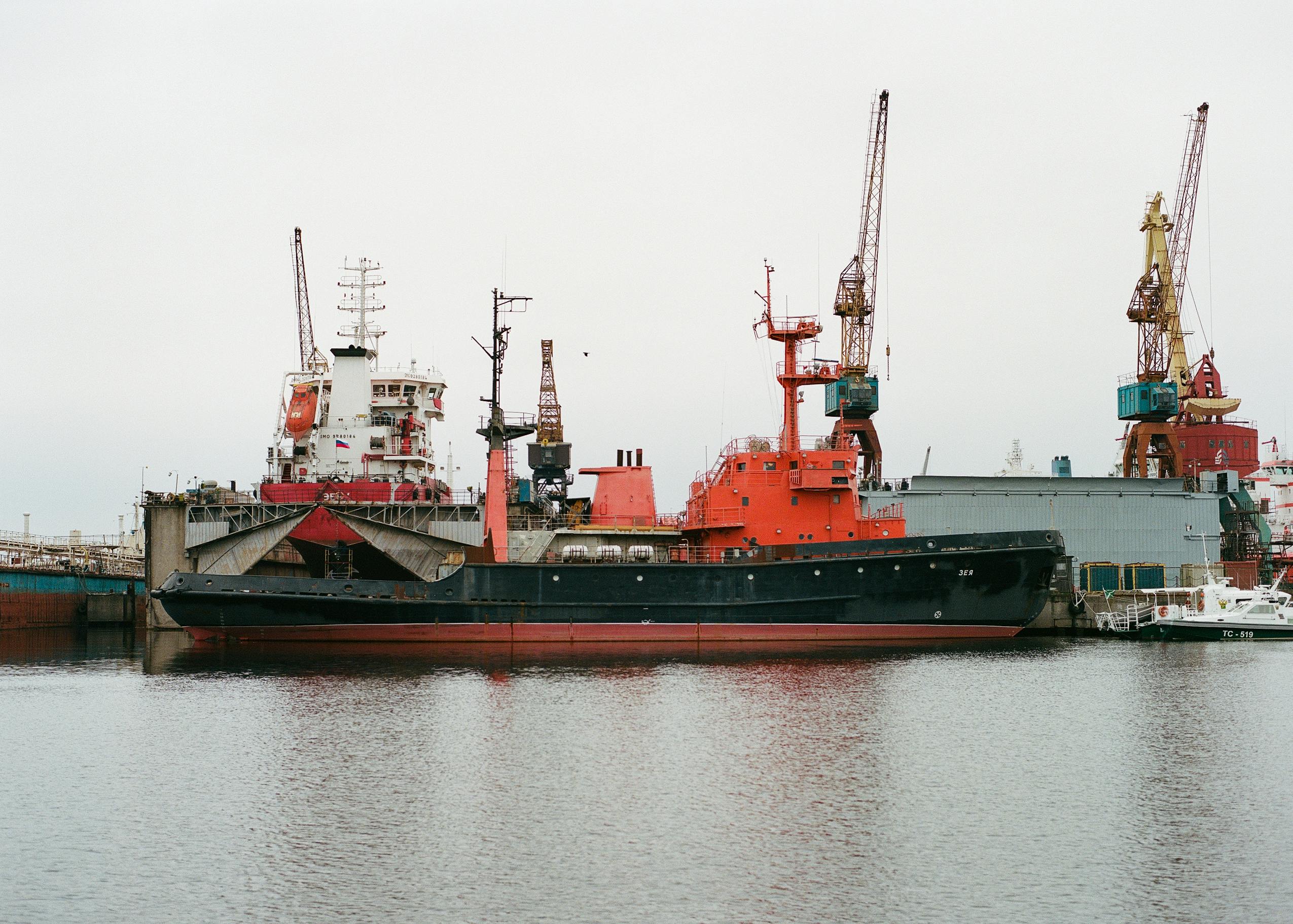
Marine exhaust systems are not just pipes attached to an engine.
They are critical safety and performance systems that directly influence:
Engine reliability
Fuel efficiency
Crew safety
Vessel operating costs
Proper exhaust design, correct material selection, and regular maintenance help prevent expensive failures and improve long-term vessel performance.
Whether you need marine exhaust piping, silencers, insulation systems, flexible joints, or complete propulsion support, SINOOUTPUT provides one-stop marine equipment solutions backed by technical support and practical shipbuilding experience.
Website: www.sinooutput.com
WhatsApp: +86 135 6478 0885
Marine Equipment Supply | Technical Support | One-Stop Vessel Solutions